
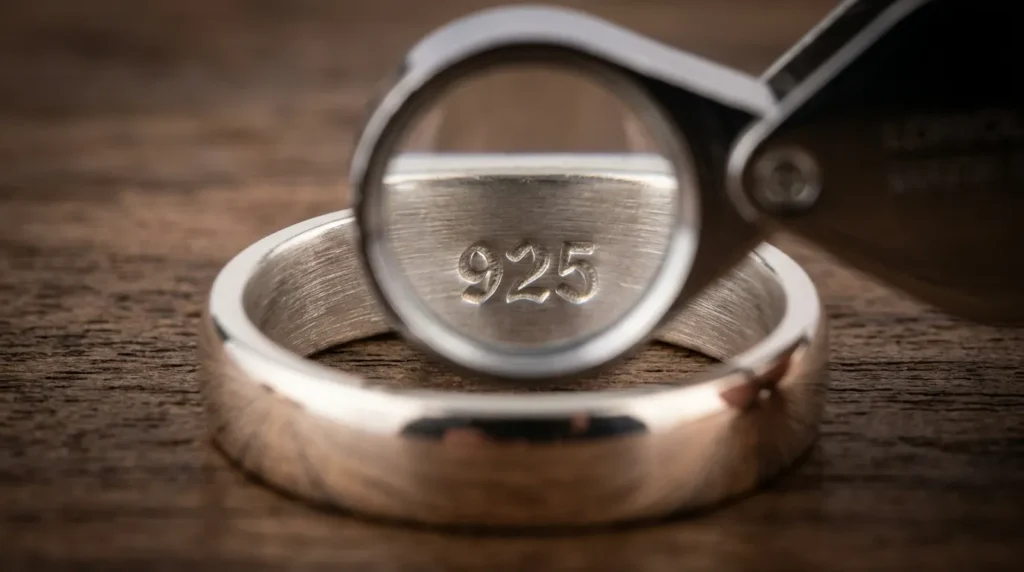
If you’ve ever examined a silver ring, necklace, bracelet, or pair of earrings, you’ve probably noticed a tiny stamp that reads 925.
Many jewelry buyers wonder, what does 925 mean on jewelry, and whether it indicates real silver, quality craftsmanship, or something else entirely.
Understanding jewelry markings is important because it helps you identify genuine precious metals and avoid counterfeit products.
The 925 stamp is one of the most common markings found on silver jewelry worldwide, yet many people remain confused about its true meaning.
In this complete guide, you’ll learn exactly what 925 means, why it is used, how it affects jewelry quality, how to identify authentic sterling silver, and how to properly care for your silver pieces.
Whether you’re shopping for a new accessory or evaluating jewelry you already own, this article will help you make informed decisions and understand the value behind the 925 hallmark.
What Does 925 Mean on Jewelry?
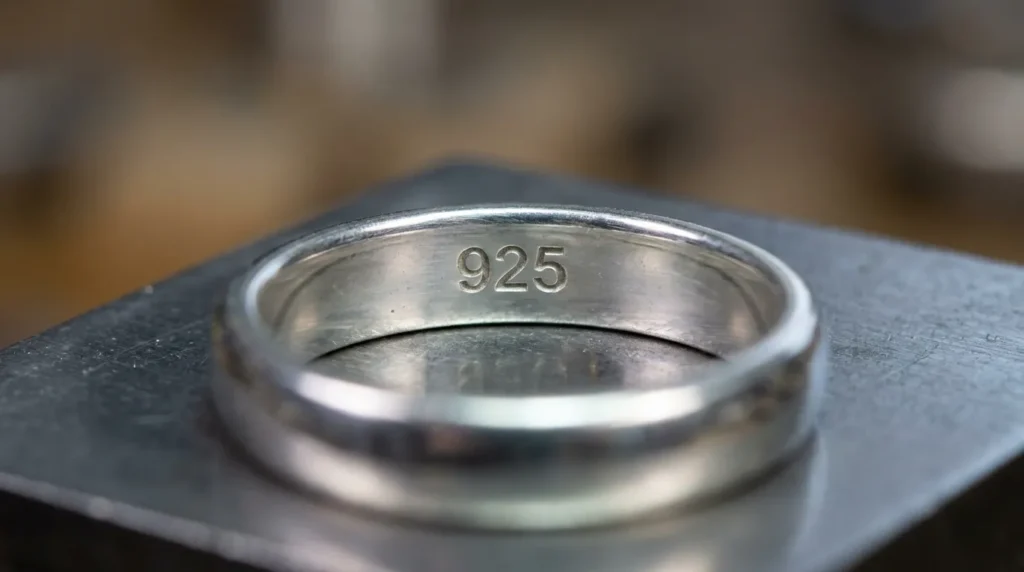
The number 925 on jewelry indicates that the piece is made from 92.5% pure silver and 7.5% other metals, usually copper.
This composition is known as sterling silver, the industry standard for high-quality silver jewelry. Pure silver is naturally soft and easily damaged, so jewelers mix it with stronger metals to improve durability while maintaining its beautiful silver appearance.
When you see a 925 stamp, it generally means:
- The jewelry contains 92.5% silver.
- It meets sterling silver standards.
- It is more durable than pure silver.
- It is suitable for everyday wear.
Because of its balance between beauty and strength, sterling silver remains one of the most popular jewelry materials in the world.
Why Is Sterling Silver 92.5% Silver?
Many people ask why sterling silver isn’t made from 100% pure silver.
The answer lies in durability.
Pure silver, also known as fine silver, is extremely soft. Rings, bracelets, and necklaces made from pure silver can bend, scratch, or lose their shape easily.
To solve this problem, manufacturers add approximately 7.5% alloy metals, typically copper. This creates a stronger material that:
- Resists wear and tear.
- Holds gemstones securely.
- Maintains its shape longer.
- Is easier to craft into detailed designs.
The result is sterling silver, represented by the famous 925 hallmark.
Is 925 Jewelry Real Silver?
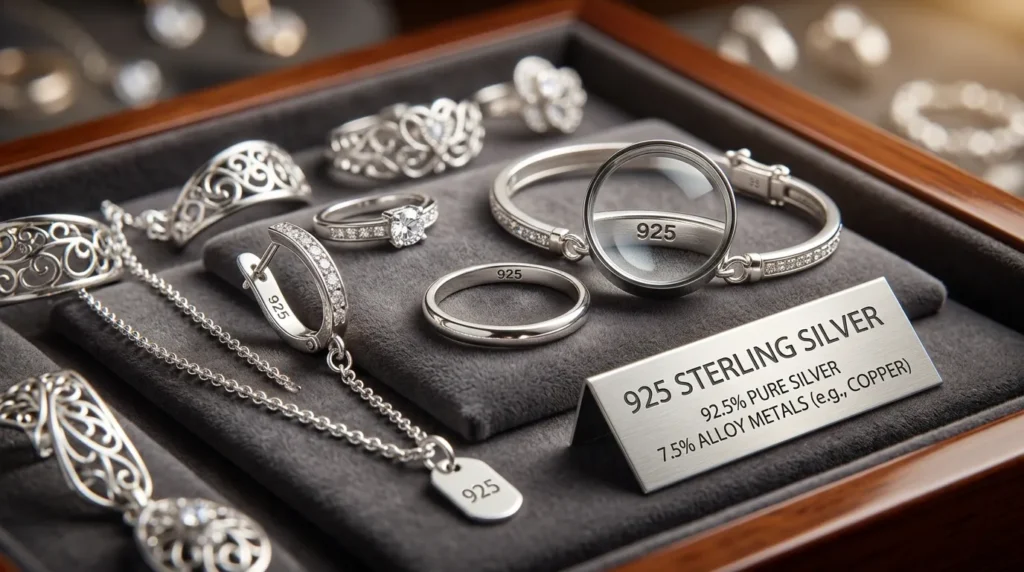
Yes, 925 jewelry is real silver.
A common misconception is that 925 silver is fake or merely silver-plated. In reality, authentic 925 jewelry contains a high percentage of genuine silver.
However, there is an important distinction:
Sterling Silver (925)
- 92.5% silver.
- Valuable precious metal.
- Long-lasting.
- Can be polished repeatedly.
Silver-Plated Jewelry
- Base metal coated with a thin silver layer.
- Much lower value.
- Silver coating may wear off.
- Often less durable.
Always check product descriptions and hallmarks carefully when purchasing jewelry.
Common 925 Hallmarks You May See
The 925 stamp can appear in several different forms depending on the country or manufacturer.
Some common markings include:
925
The most common sterling silver stamp.
.925
A variation indicating 92.5% silver content.
Sterling
Some jewelry uses the word “Sterling” instead of numbers.
Sterling Silver
A full text marking used by certain brands.
S925
Frequently found on modern jewelry.
STG
An abbreviation for sterling.
All of these generally indicate genuine sterling silver jewelry.
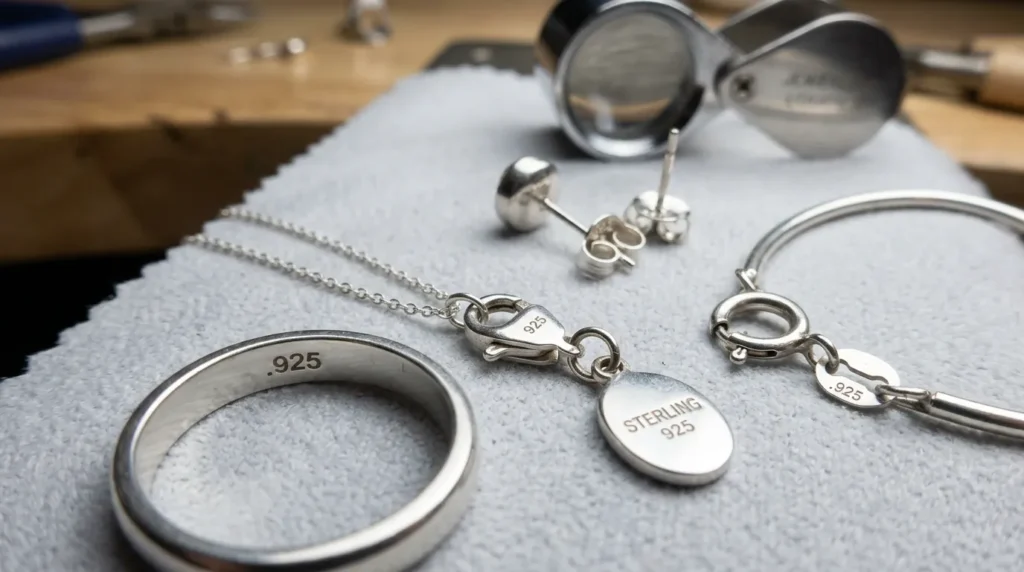
Where Can You Find the 925 Stamp?
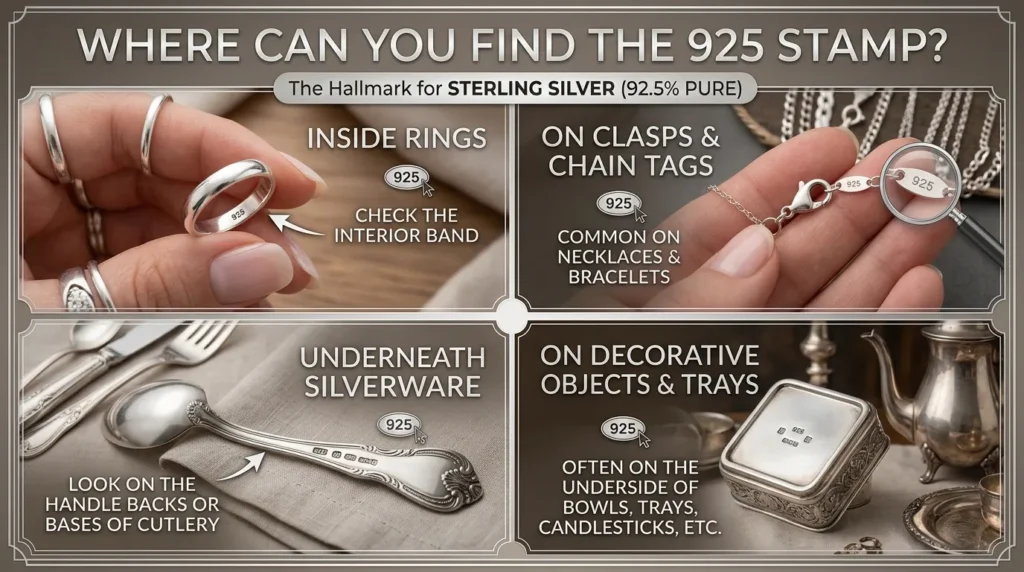
The hallmark is often placed in discreet locations.
Rings
Usually inside the band.
Necklaces
Near the clasp or on a small tag.
Bracelets
On the clasp or connecting links.
Earrings
On the post, backing, or hook.
Pendants
On the back or bail.
Because the stamp is small, a magnifying glass may help you locate it.
Does 925 Jewelry Tarnish?
Yes, sterling silver can tarnish over time.
Tarnishing occurs when silver reacts with sulfur-containing substances in the air. This reaction creates a dark coating on the surface.
Factors that accelerate tarnishing include:
- Humidity.
- Sweat.
- Perfumes.
- Lotions.
- Air pollution.
- Household chemicals.
Fortunately, tarnish only affects the surface and can usually be removed with proper cleaning.
The presence of tarnish does not mean the jewelry is fake. In fact, genuine sterling silver often tarnishes naturally over time.
How to Tell If 925 Jewelry Is Real
Because counterfeit jewelry exists, it’s helpful to know how to verify authenticity.
Look for Hallmarks
Search for:
- 925
- .925
- Sterling
- Sterling Silver
- S925
Magnet Test
Silver is not strongly magnetic.
If jewelry is strongly attracted to a magnet, it may contain large amounts of other metals.
Tarnish Test
Authentic sterling silver often develops mild tarnish over time.
Professional Testing
Jewelers can perform:
- Acid tests.
- Electronic metal analysis.
- XRF testing.
These methods provide the most reliable results.
Buy from Trusted Sellers
Purchasing from reputable jewelry retailers significantly reduces the risk of receiving counterfeit items.
Is 925 Silver Valuable?
Yes, 925 sterling silver has real value because it contains genuine silver.
Several factors influence value:
Silver Market Price
Silver prices fluctuate based on global markets.
Weight
Heavier pieces generally contain more silver.
Brand
Designer jewelry often commands higher prices.
Craftsmanship
Handmade or detailed pieces may be worth more.
Gemstones
Diamonds and precious gems increase value.
While sterling silver is generally less expensive than gold or platinum, it remains a respected precious metal.
Advantages of 925 Sterling Silver Jewelry

Sterling silver offers many benefits that make it a favorite among jewelry lovers.
Affordable Luxury
It provides the appearance of precious metal without the high cost of gold.
Durable
The alloy structure improves strength and longevity.
Elegant Appearance
Its bright white shine complements virtually every style.
Versatile
Suitable for casual, professional, and formal occasions.
Hypoallergenic Options
Many sterling silver pieces are safe for sensitive skin.
Timeless Appeal
Sterling silver never goes out of fashion.
These qualities explain why 925 jewelry remains extremely popular worldwide.
925 Silver vs Pure Silver
Understanding the difference helps buyers choose the right option.
| Feature | 925 Sterling Silver | Pure Silver |
|---|---|---|
| Silver Content | 92.5% | 99.9% |
| Durability | High | Low |
| Scratch Resistance | Better | Poor |
| Jewelry Use | Very Common | Less Common |
| Everyday Wear | Excellent | Limited |
| Cost | Slightly Lower | Higher |
For most jewelry applications, sterling silver is considered the more practical choice.
925 Silver vs White Gold
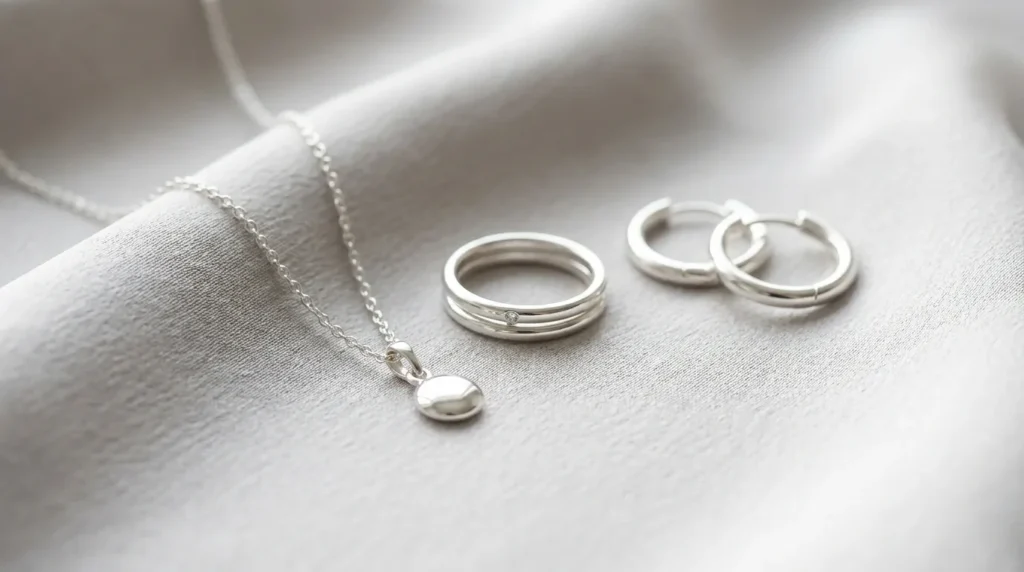
Many buyers compare sterling silver and white gold.
925 Silver
- More affordable.
- Bright appearance.
- Easy to maintain.
- Can tarnish.
White Gold
- More expensive.
- Contains gold.
- Often rhodium-plated.
- Higher resale value.
If budget and style are your priorities, sterling silver is often the better choice.
How to Clean 925 Silver Jewelry
Regular cleaning keeps sterling silver looking beautiful.
Use a Silver Polishing Cloth
This is one of the safest cleaning methods.
Mild Soap and Water
Wash gently using:
- Warm water.
- Mild dish soap.
- Soft cloth.
Baking Soda Paste
A small amount can help remove tarnish from sturdy pieces.
Avoid Harsh Chemicals
Never use:
- Bleach.
- Chlorine.
- Strong industrial cleaners.
These substances can damage silver.
How to Store Sterling Silver Jewelry
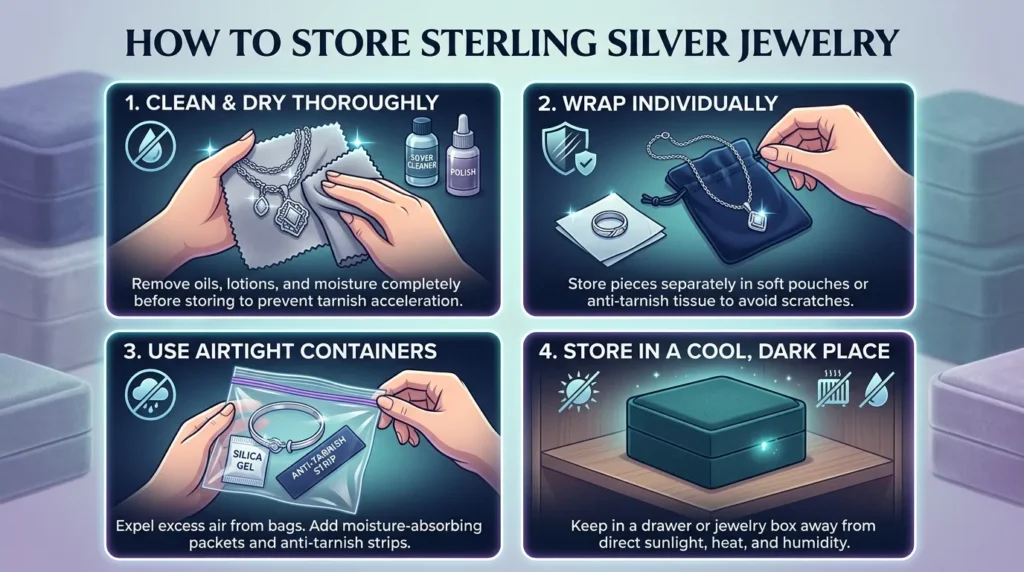
Proper storage reduces tarnishing and extends lifespan.
Keep It Dry
Store jewelry away from moisture.
Use Airtight Bags
Zip-lock or anti-tarnish bags help minimize oxidation.
Separate Pieces
Prevent scratches by storing items individually.
Avoid Direct Sunlight
Excessive exposure may accelerate deterioration.
Good storage habits can keep jewelry looking new for years.
Can You Wear 925 Jewelry Every Day?
Absolutely.
Sterling silver is designed for frequent wear and is durable enough for daily use.
However, remove jewelry when:
- Swimming.
- Using harsh chemicals.
- Exercising intensely.
- Showering frequently.
Taking these precautions helps preserve shine and reduce tarnishing.
Frequently Asked Questions
Is 925 Silver Fake?
No. Authentic 925 silver is genuine sterling silver containing 92.5% real silver.
Does 925 Silver Turn Green?
Sterling silver itself does not usually turn skin green, but copper alloys and body chemistry may occasionally cause discoloration.
Can 925 Silver Rust?
No. Silver does not rust like iron, although it can tarnish.
Is 925 Better Than Silver-Plated Jewelry?
Yes. Sterling silver contains genuine silver throughout the piece, while plated jewelry only has a thin surface layer.
How Long Does 925 Silver Last?
With proper care, sterling silver jewelry can last for decades or even generations.
Conclusion
So, what does 925 mean on jewelry? It means the piece is made from 92.5% pure silver and 7.5% alloy metals, creating the durable and highly respected material known as sterling silver. This hallmark is recognized worldwide as a sign of quality silver jewelry.
Whether you’re purchasing a ring, necklace, bracelet, or earrings, understanding the 925 stamp helps you identify authentic sterling silver and make smarter buying decisions. Sterling silver offers an excellent combination of beauty, affordability, durability, and timeless style, making it one of the best choices for everyday jewelry.
The next time you spot a tiny 925 mark on a piece of jewelry, you’ll know exactly what it represents—and why it’s such an important symbol in the world of fine accessories.

Silent Quill is a creative writer at snamez.com, known for crafting meaningful and engaging content. Their work focuses on unique names, nicknames, and creative ideas that inspire and connect with readers.