

Ever walked out of a hospital wondering if you accidentally became a medical expert just because you heard a fancy word?
😄 If you’re searching what does outpatient mean, you’re definitely not alone.
It sounds complicated, but the answer is actually super simple.
In this guide, we’ll break down what does outpatient mean in plain English, with easy examples, a few laughs, and zero confusing medical jargon.
By the end, you’ll know exactly what it means and you won’t need a doctor’s degree to understand it!
🏥 What Does Outpatient Mean?

An outpatient is a person who receives medical treatment without being admitted to a hospital overnight.
After the appointment or procedure is finished, the patient goes home the same day.
Doctors recommend outpatient care when a condition does not require continuous hospital monitoring.
Simple Example
If you visit a clinic for:
- A health checkup
- A blood test
- An X-ray
- A vaccination
You are an outpatient because you leave after your treatment.
💡 What Is Outpatient Care?
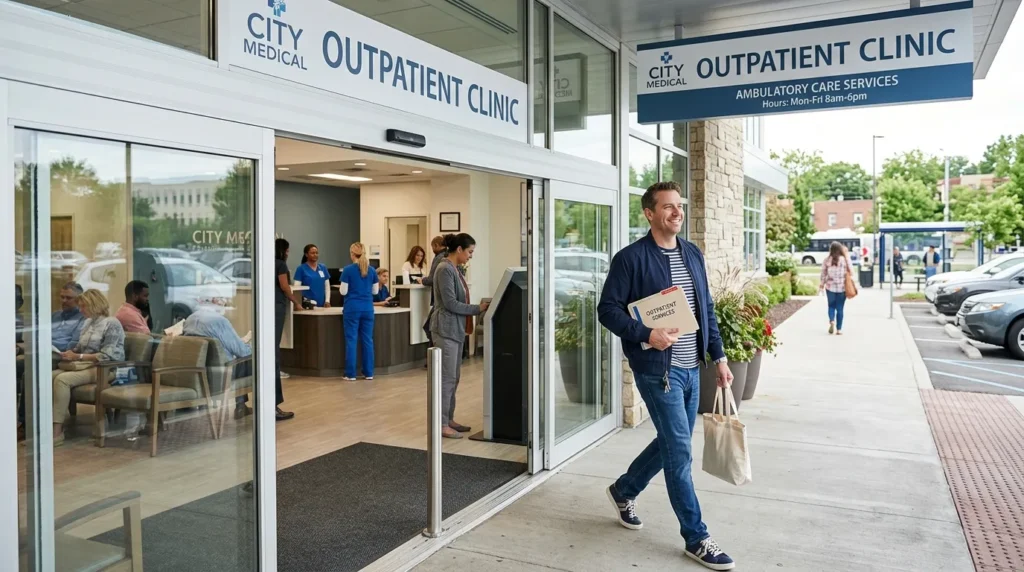
Outpatient care is healthcare provided without an overnight hospital stay.
It includes many medical services that are safe and quick.
Common outpatient care includes:
- Doctor appointments
- Specialist visits
- Laboratory tests
- Imaging scans
- Physical therapy
- Minor surgeries
- Dental procedures
- Eye examinations
- Mental health counseling
- Preventive healthcare
⚖️ Outpatient vs. Inpatient Care
People often confuse these two terms.
| Outpatient | Inpatient |
|---|---|
| Goes home the same day | Stays in the hospital |
| Lower cost | Higher cost |
| Quick recovery at home | Recovery inside hospital |
| Minor treatments | Serious illnesses or surgeries |
| No overnight stay | One or more overnight stays |
The biggest difference is whether you stay overnight in the hospital.
🩺 Common Outpatient Services
Many healthcare services happen on an outpatient basis.
Examples include:
- Annual physical exams
- Blood pressure checks
- Blood tests
- Urine tests
- MRI scans
- CT scans
- Ultrasounds
- Allergy testing
- Vaccinations
- Minor skin procedures
Millions of patients receive these services every year without hospital admission.
🔬 Examples of Outpatient Procedures
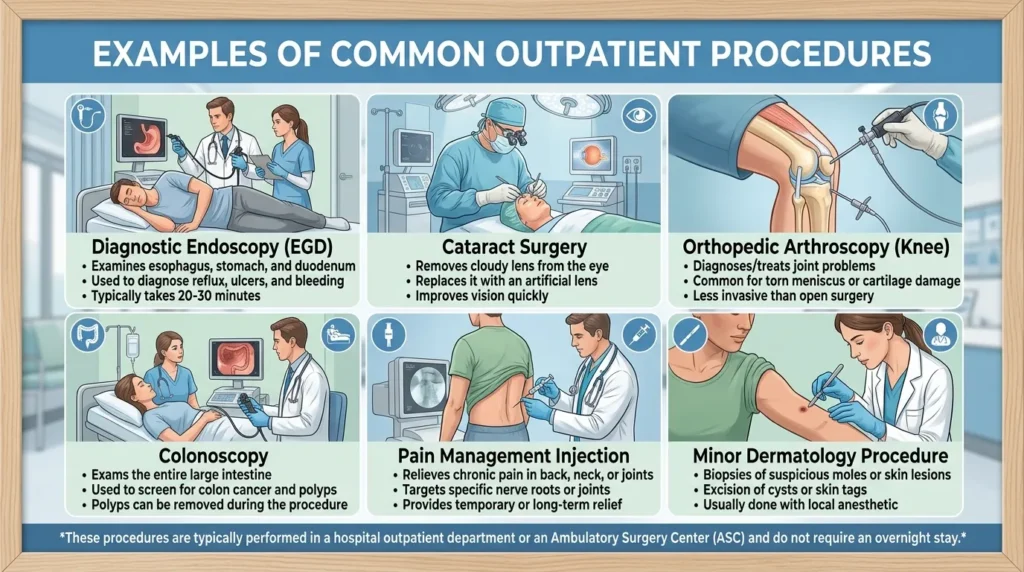
Many medical procedures are safe enough for patients to return home afterward.
Examples include:
- Cataract surgery
- Colonoscopy
- Endoscopy
- Mole removal
- Biopsies
- Dental surgery
- Hernia repair
- Arthroscopy
- Ear tube placement
- Steroid injections
Patients usually recover at home after these procedures.
👨⚕️ When Do You Need Outpatient Care?
Doctors recommend outpatient care when:
- Your condition is stable.
- You don’t need overnight monitoring.
- Recovery is expected to be quick.
- The procedure has a low risk of complications.
- You can safely recover at home.
Your doctor decides whether outpatient care is appropriate based on your health.
✅ Benefits of Outpatient Care
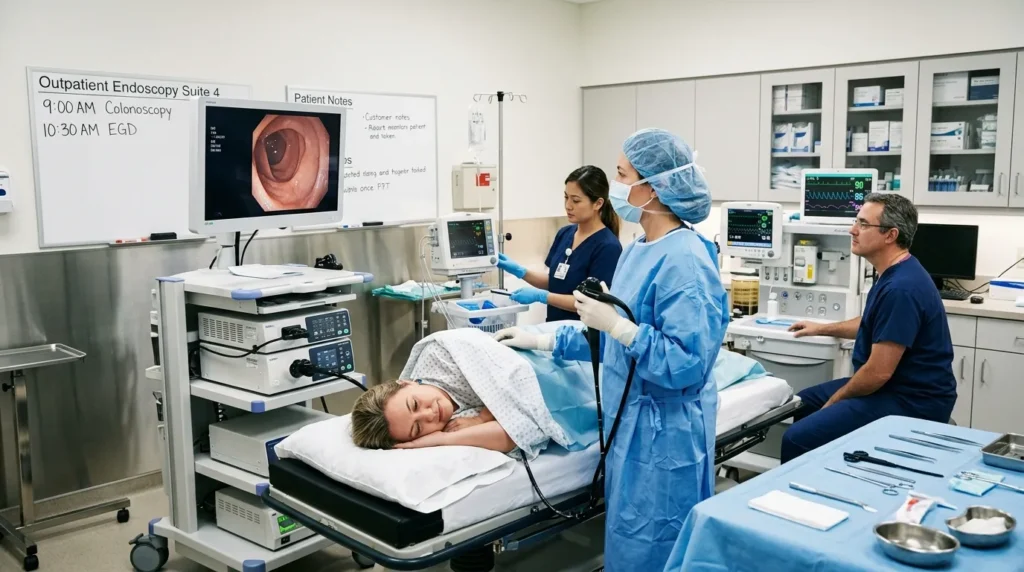
Outpatient treatment has many advantages.
1. Lower Cost
Without an overnight stay, medical bills are often lower.
2. Faster Recovery
Many people recover better in the comfort of their own home.
3. Less Stress
Hospitals can feel overwhelming. Going home the same day is often more comfortable.
4. Lower Infection Risk
Spending less time in the hospital may reduce exposure to infections.
5. Greater Convenience
Appointments are usually shorter and easier to schedule.
💰 Is Outpatient Care Less Expensive?
In most cases, yes.
Because patients do not stay overnight, costs are generally lower than inpatient care.
The total price depends on:
- Type of procedure
- Hospital or clinic
- Insurance coverage
- Country
- Doctor’s fees
Always ask for an estimate before treatment.
📝 What Happens During an Outpatient Visit?
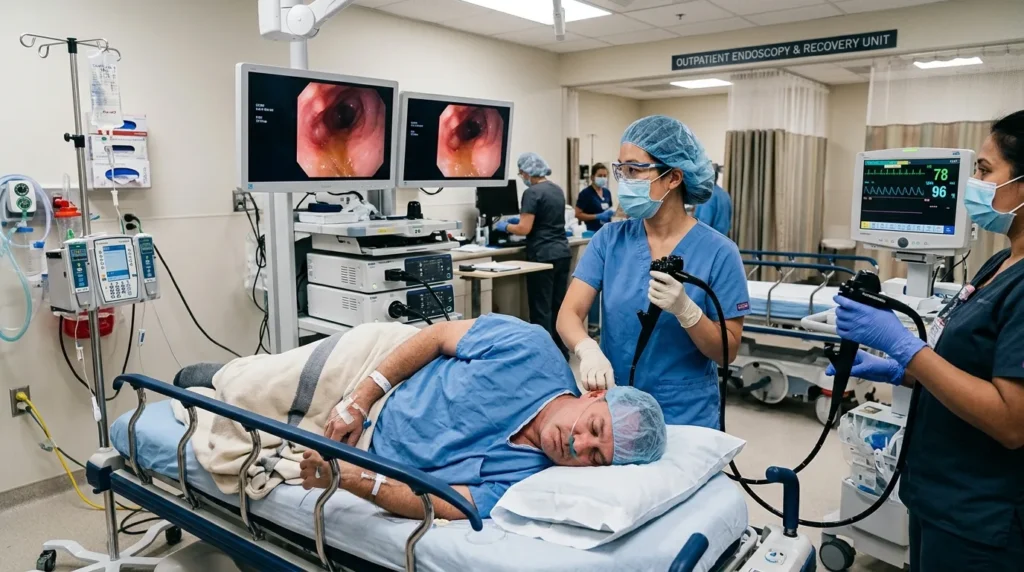
A typical outpatient appointment follows these steps:
- Check in at reception.
- Complete any paperwork.
- Meet the doctor or nurse.
- Receive tests or treatment.
- Get instructions for home care.
- Return home the same day.
Some visits last less than 30 minutes, while others may take several hours.
❤️ Who Can Be an Outpatient?
Almost anyone can receive outpatient care, including:
- Children
- Adults
- People with chronic illnesses
- Healthy individuals receiving preventive care
Eligibility depends on the type of treatment and your overall health.
📋 Tips Before Your Outpatient Appointment
Prepare ahead of time by:
- Bringing your ID and insurance card.
- Carrying a list of medications.
- Arriving early.
- Wearing comfortable clothing.
- Following fasting instructions if required.
- Asking questions about recovery.
- Arranging transportation if sedation is used.
Preparation helps your visit go smoothly.
❓ Frequently Asked Questions
Does outpatient mean you go home?
Yes. Most outpatients return home the same day after treatment.
Can you have surgery as an outpatient?
Yes. Many minor surgeries are performed on an outpatient basis.
Is outpatient care safe?
Yes. Doctors only recommend outpatient treatment when it is considered safe for your condition.
Does insurance cover outpatient care?
Many health insurance plans cover outpatient services, but coverage varies by policy.
Can an outpatient become an inpatient?
Yes. If complications develop or additional monitoring is needed, a doctor may admit the patient to the hospital.
Final Thoughts
Understanding what outpatient means can make healthcare less confusing. An outpatient is simply someone who receives medical care without staying overnight in the hospital. From routine checkups to diagnostic tests and even certain surgeries, outpatient care offers convenience, lower costs, and faster recovery for many patients.
If your doctor recommends outpatient treatment, ask questions about the procedure, recovery, and follow-up care so you know exactly what to expect. With the right information, you can approach your appointment with confidence and peace of mind.

John Keats is a poetic and creative writer at snamez.com, crafting unique names, nicknames, and inspiring ideas for readers.